
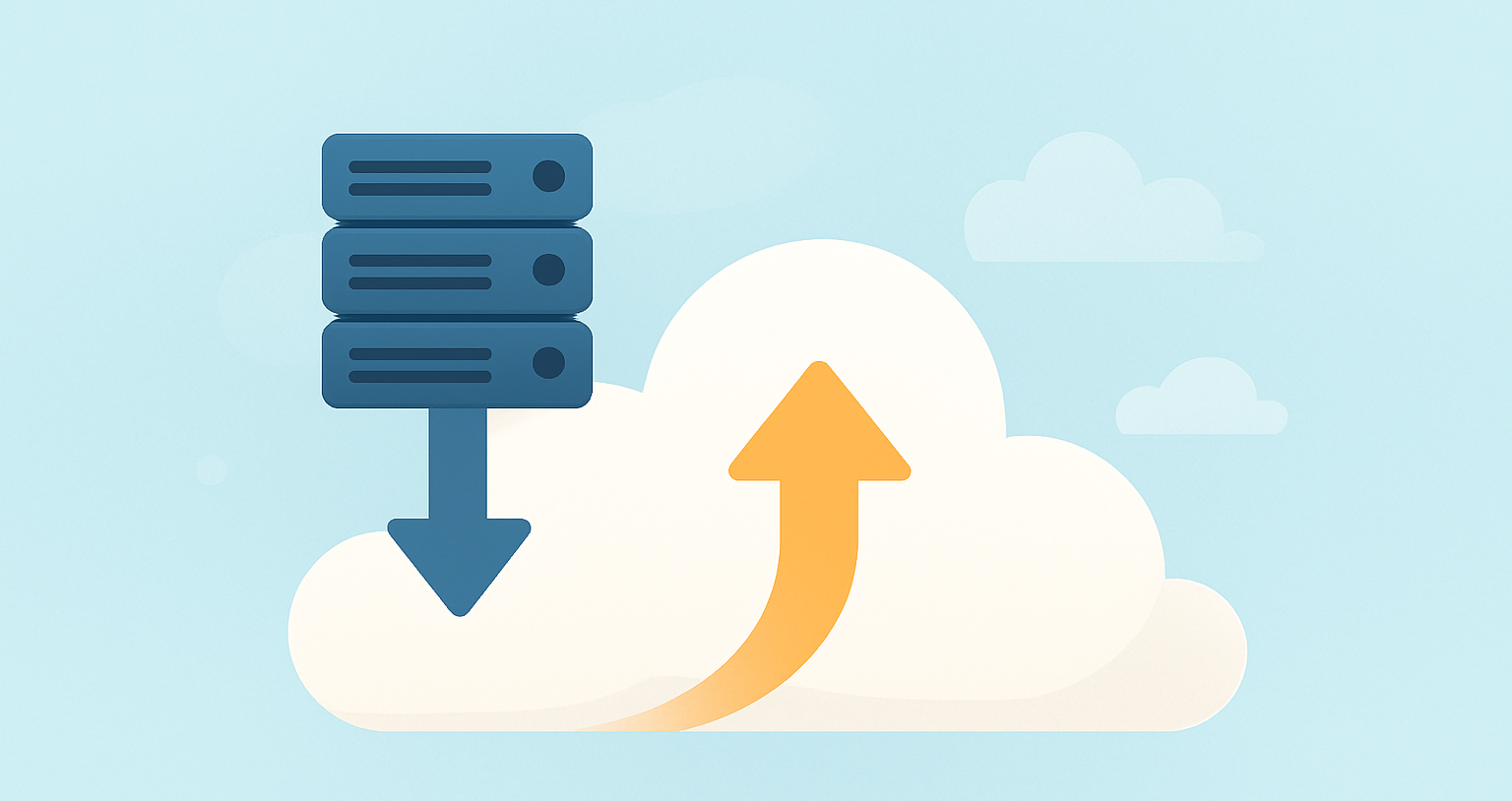
Cloud migration is no longer optional for businesses; it's a necessity in today's digital world. It brings scalability, flexibility, and cost savings that on-premise infrastructure simply cannot match.
But here's the reality many businesses overlook: migration isn't just about moving data from one place to the cloud. When done strategically, it can transform how your business operates. When done poorly, it can lead to downtime, additional costs, and security risks.
That's why planning plays such a critical role. Here are six key points every business should consider before starting the cloud migration journey.
1. Define Your Objectives
Moving applications and systems to the cloud simply because it's "the trend" is not a strategy. Before you begin, be clear about what you want to achieve. Is the goal to reduce costs, improve performance, or enable faster scaling?
Well-defined objectives ensure your migration is purposeful and aligned with your long-term business goals. Without clear objectives, you risk making decisions that don't serve your business needs or deliver the expected return on investment.
Clear Objectives Help You:
- Measure Success: Define KPIs and success metrics
- Choose Right Services: Select cloud services that align with goals
- Prioritize Workloads: Determine migration order and timeline
- Justify Investment: Build business case for stakeholders
2. Assess Your Applications
Not every system or application needs to move on day one. Some may need re-architecting to work efficiently in the cloud, while others can be moved with ease. A thorough assessment of your current infrastructure, workloads, and data gives you clarity and helps you plan for any additional costs.
This assessment should include evaluating application dependencies, performance requirements, and compatibility with cloud environments. Understanding these factors upfront prevents surprises during migration and helps you budget accurately.
Application Assessment Framework:
- Inventory Analysis: Catalog all applications and dependencies
- Performance Baseline: Document current performance metrics
- Cloud Readiness: Evaluate compatibility and required changes
- Migration Strategy: Choose lift-and-shift, refactor, or rebuild
3. Ensure Compliance & Security
Security doesn't automatically come with the cloud, and therefore, it must be factored into your migration strategy. From access controls and data encryption to industry-specific compliance needs, these elements should be considered from the initial stage of planning.
If your business is in highly regulated industries such as finance or healthcare, data privacy guidelines must be strictly followed. Understanding the shared responsibility model is crucial—while cloud providers secure the infrastructure, you're responsible for securing your data and applications.
Security & Compliance Checklist:
- Data Classification: Identify sensitive data and protection requirements
- Access Management: Implement identity and access controls
- Encryption Strategy: Plan data encryption in transit and at rest
- Compliance Mapping: Ensure adherence to industry regulations
- Monitoring & Auditing: Set up security monitoring and logging
4. Budget Smarter
The cloud can save money, but only when managed correctly. Many times, businesses focus on the initial migration costs while they miss out on ongoing expenses like storage, bandwidth, and scaling. With the right monitoring, you can avoid unexpected bills and keep your cloud spend well under the budget.
Cloud costs are variable and can quickly spiral out of control without proper governance. Understanding pricing models, implementing cost controls, and regularly monitoring usage are essential for maintaining budget discipline.
Smart Budgeting Strategies:
- Total Cost of Ownership: Calculate migration and operational costs
- Cost Monitoring: Set up alerts and spending limits
- Resource Optimization: Right-size instances and eliminate waste
- Reserved Capacity: Use reserved instances for predictable workloads
5. Aim for Minimal Downtime
Disruption is the last thing any business wants during migration. While downtime cannot be completely eliminated, it can be minimized. A phase-wise or hybrid rollout migration allows critical systems to stay online while workloads are moved in planned stages.
Well-thought scheduling and testing can further make all the difference in ensuring a smooth migration. Having rollback plans and conducting thorough testing in staging environments helps identify and resolve issues before they affect production systems.
Minimizing Downtime:
- Phased Migration: Move applications in stages
- Parallel Running: Run old and new systems simultaneously
- Maintenance Windows: Schedule migrations during off-peak hours
- Rollback Planning: Prepare contingency plans for quick recovery
6. Choose a Migration Partner
Cloud migration is more strategic than it is technical. The right cloud migration partner can help you define your goals, design a roadmap, avoid common pitfalls, and ensure a seamless transition. From planning and execution to post-migration optimization, expert guidance ensures your business gets the full value of the cloud.
A experienced partner brings proven methodologies, specialized tools, and deep cloud expertise that can accelerate your migration while reducing risks. They can also provide ongoing support to help you optimize your cloud environment post-migration.
Benefits of Expert Partnership:
- Proven Methodology: Structured approach with best practices
- Risk Mitigation: Avoid common migration pitfalls
- Specialized Tools: Access to migration and monitoring tools
- Faster Time-to-Value: Accelerated migration timeline
- Ongoing Support: Post-migration optimization and support
Why CloudZent?
At CloudZent, we understand that every business is unique, and your cloud migration plan should reflect that. Whether your priority is cost optimization, stronger security, or scalability, we create a strategy tailored to your needs.
With our end-to-end expertise, you can migrate to the cloud knowing your systems are secure, efficient, and built to scale. Our proven methodology has helped businesses across industries successfully transition to the cloud while minimizing risks and maximizing benefits.
Our Cloud Migration Services:
- Cloud Strategy & Planning
- Application Assessment
- Security & Compliance
- Migration Execution
- Cost Optimization
- Ongoing Management
Ready to make the move? Let CloudZent be your cloud migration partner. Contact our team today to discuss your cloud migration strategy.