
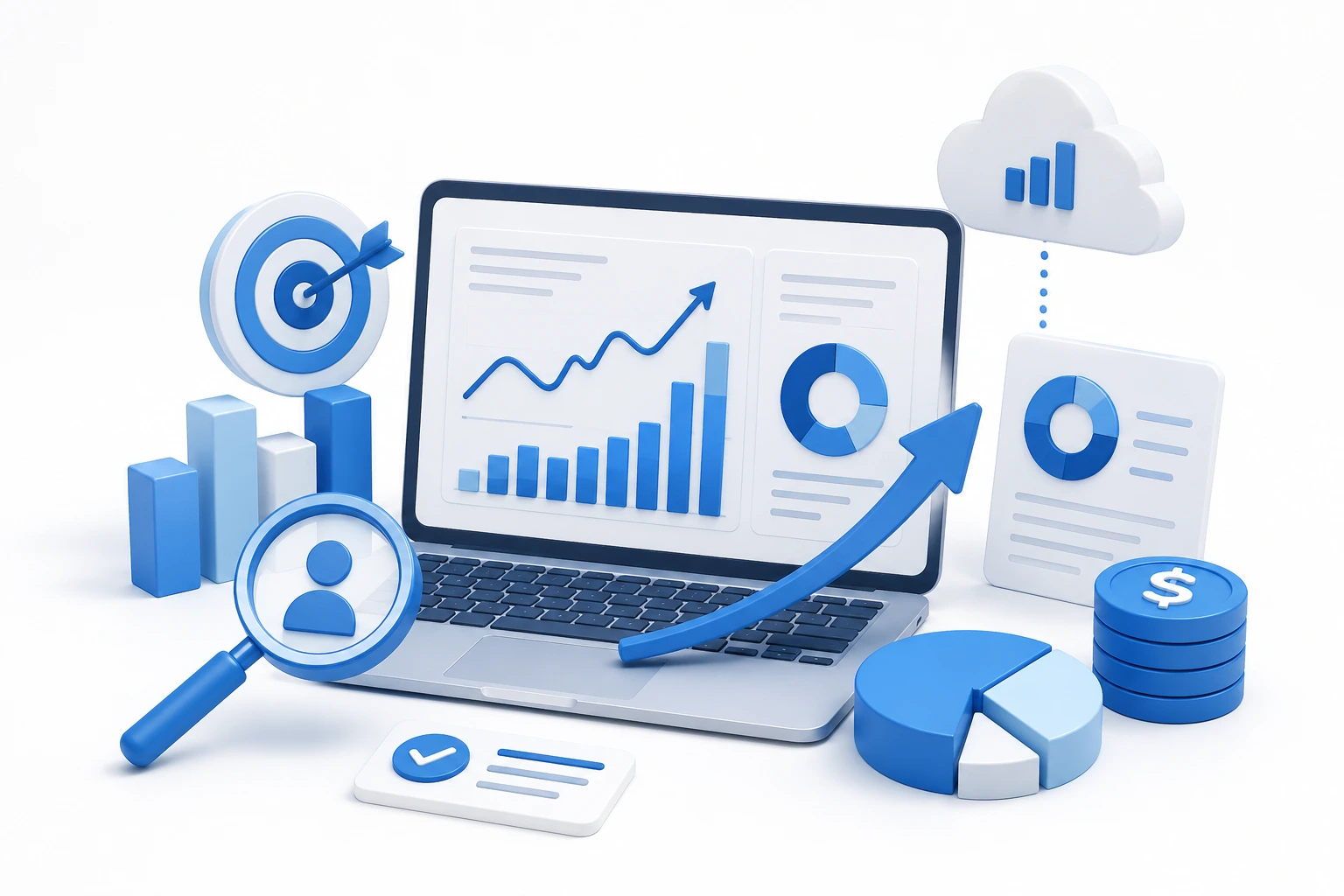
Most companies use multiple tools and collect data from various sources. Customer interactions, marketing campaigns, website traffic, product planning, and support requests all generate valuable information. Yet many businesses fail to turn that data into insights that help solve challenges and identify opportunities before their competitors do.
One reason is the common misconception that data analytics requires a significant investment, complex implementation, and major changes to existing processes. As a result, analytics initiatives often don't receive the attention they deserve.
But what if a data analytics tool could directly contribute to higher sales and revenue growth? It can.
Data analytics helps businesses understand customer behavior, identify sales trends, improve forecasting, gain a deeper understanding of their target market, and make smarter decisions based on facts rather than assumptions. Here's more on how data analytics can help drive revenue growth, so keep reading.
1. Understand Customer Behavior
Every customer interaction generates data. Data such as website visits, email engagement, purchase history, and support requests can feed into analytics tools, bringing this information together to provide a clearer picture of your customers.
By analyzing customer behavior, businesses can identify which products or services generate the most interest, where prospects drop off in the buying journey, and what factors influence purchasing decisions.
These insights help sales and marketing teams create more relevant campaigns, improve customer experiences, and increase conversion rates. Rather than relying on guesswork, businesses can use real data to understand what drives customer loyalty and revenue.
Key Benefits:
- Identify Interests: Discover which products generate the most engagement
- Optimize Journeys: Find where prospects drop off and improve conversion
- Data-Driven Campaigns: Create relevant marketing based on real insights
2. Identify Sales Trends
Sales data often contains patterns that are difficult to identify manually. Analytics tools help businesses uncover trends by analyzing historical performance, customer demand, seasonal fluctuations, and product sales.
For example, you may discover that certain products consistently perform well during specific periods or that a particular customer segment contributes the highest revenue.
These insights allow teams to allocate resources more effectively, optimize inventory, and focus sales efforts where they are most likely to generate results. Identifying trends early also helps businesses respond more quickly to market shifts and changing customer preferences.
Trend Analysis Advantages:
- Pattern Detection: Uncover hidden trends in historical sales data
- Resource Optimization: Allocate effort to highest-ROI opportunities
- Market Agility: Respond quickly to shifts in customer demand
3. Product Planning
Analytics tools help plan products better by providing reliable, real-time insights that support informed decision-making.
Whether you're evaluating a new market opportunity, launching a product, adjusting pricing, or improving operational efficiency, data-backed decisions are generally more accurate and less risky than decisions based solely on intuition.
Modern analytics platforms transform large volumes of data into easy-to-understand dashboards and reports, helping leaders identify opportunities, measure performance, and take action with confidence.
Businesses that consistently use data to guide their decisions are often better positioned to increase revenue, improve efficiency, and achieve long-term growth.
Product Planning Benefits:
- Informed Decisions: Base strategies on data, not intuition
- Risk Reduction: Minimize uncertainty in new product launches
- Performance Tracking: Measure outcomes with real-time dashboards
4. Improve Forecasting Accuracy
Better forecasting helps businesses plan inventory, manage budgets, allocate resources, and prepare for changes in demand. It also reduces the financial risks associated with overstocking, understocking, and making decisions based on incomplete information.
Instead of reacting to changes after they occur, businesses can prepare for future opportunities and challenges more effectively.
Forecasting Advantages:
- Inventory Optimization: Reduce overstocking and understocking risks
- Budget Planning: Allocate resources based on reliable demand forecasts
- Proactive Strategy: Prepare for changes before they happen
5. Understand Your Target Market
Many businesses have a general idea of who their customers are, but analytics provides a much deeper understanding. By examining demographic, geographic, behavioral, and purchasing data, organizations can identify their most valuable customer segments.
These insights help businesses plan marketing strategies, personalize messaging, and develop products or services that better align with customer needs.
The better you understand your market, the easier it becomes to attract, convert, and retain profitable customers.
Market Understanding Benefits:
- Segment Identification: Find your most valuable customer groups
- Personalized Marketing: Tailor messaging to specific customer segments
- Customer Retention: Attract and retain profitable customers more effectively
Conclusion
Data analytics is not just about understanding what happened in the past. It's about making smarter decisions today that directly impact your revenue growth tomorrow. By understanding customer behavior, identifying trends, improving forecasting, and knowing your market, analytics tools can become one of your most valuable business assets.
If your business is looking for an analytical tool to build on existing applications, contact CloudZent for a free trial account to explore our solutions.