
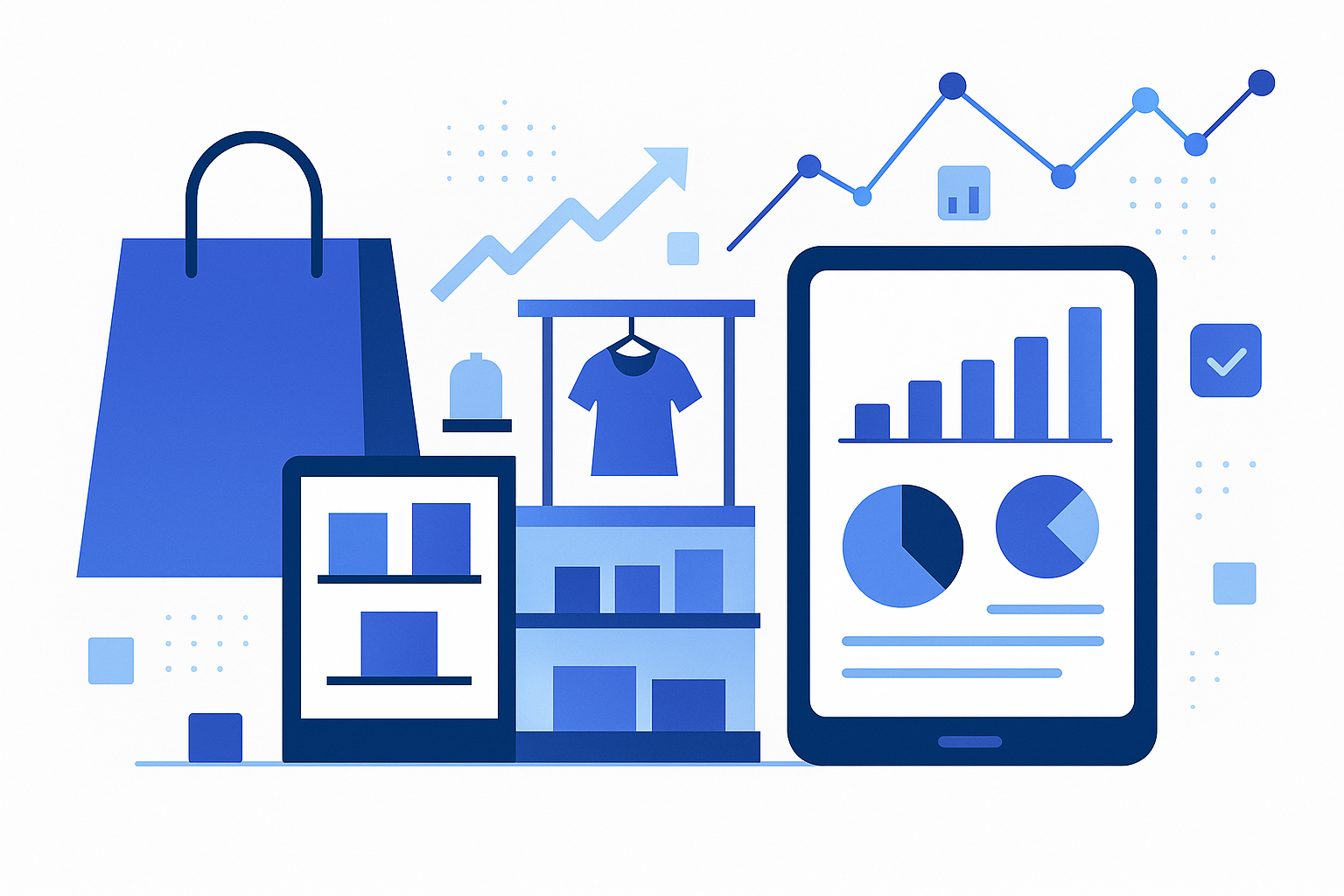
Be it fashion, consumer goods, electronics, or more, stores are a powerful way to showcase your products and build a sense of connection with customers. But for most B2C brands, the sales move differently from the reports and dashboard capture. Footfall changes with the time of day, products behave differently in every store, and promotions don't always deliver the way they're designed to.
To design better promotions and ensure product availability, decision-makers need real-time visibility into data points such as sales patterns, foot traffic, hourly trends, product performance, and more.
The question is: how do you capture all of this without overwhelming your in-store sales team?
The simplest way is an in-store sales tracking app—one that's intelligent, saves the sales team's time, and acts like a buddy in sales rather than adding more manual work to their already hectic day.
In-Store App Features That Are a Game-Changer
1. Stock Tracking and Alerts
Even in a buzzing in-store environment, an in-store sales tracking app helps store managers track sales minute-by-minute. The sales team can add the demand for products that are soon going to be out of stock, and an alert reaches the manager to take prompt action.
This allows them to stay ahead of demand, adjust during the day, and prevent small dips from turning into full-day losses.
Key Benefits:
- Real-time inventory visibility prevents stockouts and lost sales
- Instant alerts enable proactive restocking decisions
- Minute-by-minute tracking helps optimize daily operations
2. Footfall Tracking
Sales promoters can enter how many demos they gave, how many product inquiries they received, and the actual sales they closed, along with invoice details. This gives a clearer picture of how many people walked in and how many converted.
It also helps identify peak hours with low conversion, stores that may need extra support, and displays that need repositioning.
Further, since the sales promoter adds the sales done along with invoice details, they can actually see the incentives earned, which is motivating for them to perform better.
Key Benefits:
- Track conversion rates and identify optimization opportunities
- Identify peak hours with low conversion for targeted improvements
- Transparent incentive tracking motivates sales teams to perform better
3. Heatmaps to Understand Demographics
The in-store sales app integrates with a central dashboard that highlights which market zones customers spend the most time in and which areas they ignore. This helps brands plan store positioning, improve visual merchandising, make the space more engaging, and place the right SKUs in the right places.
Key Benefits:
- Data-driven store layout optimization for maximum engagement
- Strategic SKU placement based on customer behavior patterns
- Improved visual merchandising that drives customer interest
4. Promotion Tracking
Promotions designed and discussed in a boardroom often look good on paper but don't behave the same way in the market. With an in-store tracking app, brands can see how a promotion performs in the first few hours and not days later. This makes it easier to double down on what's working, stop what isn't, and align messaging across different stores.
The in-store tracking app can make promotions more impactful.
Key Benefits:
- Real-time promotion performance tracking within hours, not days
- Quick decision-making to scale successful promotions and stop underperformers
- Consistent messaging alignment across all store locations
5. Strategic Displays
Every store should reflect the brand's identity through Visual Merchandising. Visual merchandising reinforces brand recall and boosts sales by drawing customers in through strategic displays.
The in-store tracking app can help audit visual merchandising on a weekly or monthly basis. Whether it's a new façade, seasonal artwork, or promotional signage, placement matters a lot. The app helps ensure everything is set correctly and consistently across all the stores.
And for B2C brands using the app every day, it becomes more than just a tracking tool. It becomes a simple way to run their stores with clarity and purpose.
Key Benefits:
- Regular visual merchandising audits ensure brand consistency
- Strategic display placement that reinforces brand identity
- One customer shared that a simple merchandising change improved add-on sales by almost 18% in one store
Ready to Transform Your In-Store Operations?
An in-store sales tracking app is more than just a tool—it's a strategic partner that helps B2C brands make data-driven decisions, optimize operations, and drive revenue growth. From real-time stock alerts to promotion performance tracking, every feature is designed to give you the visibility you need without overwhelming your sales team.
If you are a B2C brand looking to implement a robust, sales-friendly app, reach out to CloudZent for a free demo.
Here's How We Help:
- Custom in-store sales tracking app development tailored to your needs
- Real-time dashboard integration for centralized visibility
- Seamless integration with existing POS and inventory systems
- Training and ongoing support to ensure smooth adoption
Want to see how an in-store tracking app can boost your sales? Connect with us and we'll show you what your growth potential looks like with a custom sales tracking solution.