
Generative Engine Optimization (GEO) is the next big strategy for how businesses gain visibility on the internet in this digital world. With Google now prioritizing AI to fetch faster, accurate results, businesses that want to rank higher need to step up and understand the importance of GEO.
GEO is the next generation of SEO. Though it shares some fundamental principles with SEO, it still requires a deeper understanding to help businesses rank higher on Google.
Let's take a closer look and explore what GEO is all about in this blog.
What is GEO
Generative Engine Optimization (GEO) is a strategy that helps businesses climb Google's search pages and become more visible to people looking for specific information. So far, traditional Search Engine Optimization (SEO) has been the way to achieve the same results.
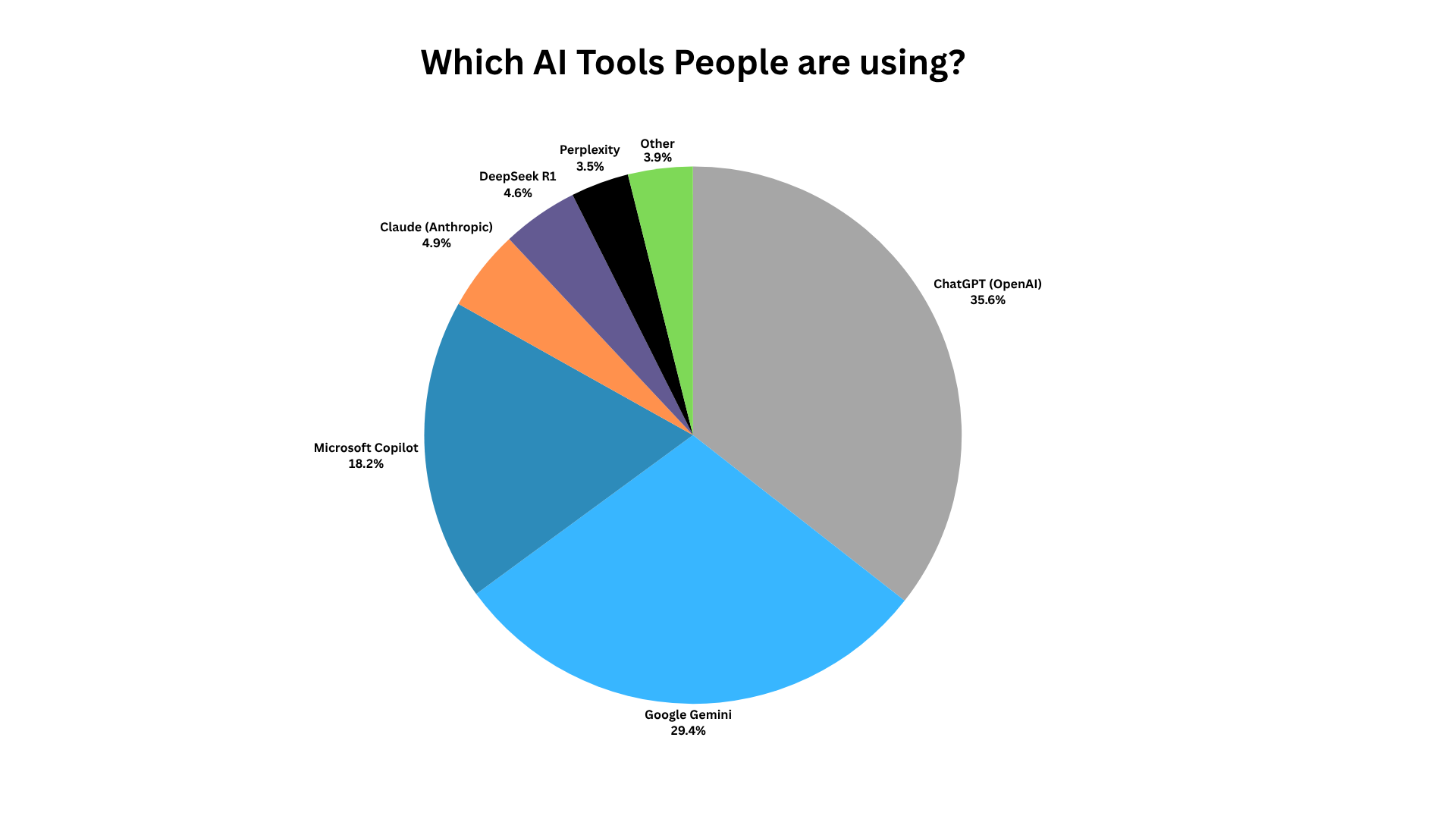
However, with generative AI taking control of the digital landscape, optimizing your website content with GEO in mind has become essential. Today, users not only depend on search engines but also turn to AI tools like ChatGPT, Gemini, and others for answers. Hence, businesses need to create content in formats that are AI-friendly to stay higher on Google search pages as well as on AI tools.
GEO vs Traditional SEO:
Traditional SEO
- • Keyword-focused optimization
- • Search engine ranking factors
- • Link building strategies
- • Meta tags and descriptions
Generative Engine Optimization (GEO)
- • AI-friendly content structure
- • Natural language optimization
- • Contextual understanding
- • Multi-platform AI visibility
How to Optimize Your Website for GEO
1. Well-structured Content
While writing content for GEO or AI tools, make sure the content on your website is well-structured so it's easy for the AI search engine to crawl through and ultimately for people to understand.
Always organize your content with headings, subheadings, bullet points, and numbered lists. This makes it easier for AI tools/search engines to scan and find exactly what they need.
Content Structure Best Practices:
- Clear Hierarchy: Use H1, H2, H3 tags logically
- Bullet Points: Break down complex information
- Numbered Lists: Step-by-step processes
- Short Paragraphs: Easy to scan and digest
2. Clear and Useful Information
It goes without saying that people don't want to read long paragraphs on their mobile screens. Most people are looking for quick answers to their questions, so your content needs to be straightforward to understand.
Before you design your content for generative search engines, focus on delivering the information and value people are searching for, and cut down on unnecessary fluffy words. Break down complex ideas into simple, digestible points, and make it easy for readers to scan through the information.
Having said that, do not stop experimenting with different formats of content. Try lengthy pieces that are well-structured and provide value throughout, or maybe videos that explain complex ideas through engaging narratives.
Content Quality Guidelines:
- Direct Answers: Address user queries immediately
- Mobile-First: Optimize for mobile reading
- Scannable Format: Easy to skim and digest
- Value-Driven: Focus on user benefits
3. Relevant and Natural Keywords
Do the basic research to find long-tail and short-tail keywords and add them naturally throughout your content. But don't stuff them into your content piece. Focus on terms and phrases that your audience is likely to use when looking for your services or information.
Take help from tools like Ubersuggest, AnswerThePublic, Ahrefs, and the likes of them. Ensure that you incorporate them naturally within sentences so the content reads smoothly and makes sense to readers.
Keyword Optimization Strategy:
- Long-tail Keywords: More specific, less competitive terms
- Natural Integration: Avoid keyword stuffing
- User Intent: Match what users are searching for
- Semantic Keywords: Related terms and synonyms
4. Regular Updates
Keeping your content fresh for generative engines can help you rank better. With the speed at which things are changing, outdated information can reduce its usefulness for readers and search engines. Regularly refreshing your content ensures it continues to meet readers' needs and stays relevant over time.
By following these steps, your content becomes easier to find, read, and understand, helping your business reach more people effectively.
Content Update Strategy:
- Fresh Information: Keep statistics and data current
- Regular Audits: Review content quarterly
- Trend Monitoring: Stay updated with industry changes
- User Feedback: Incorporate reader suggestions
5. Credible Information
Always include facts, statistics, examples, and references where they add value. This not only builds trust and authority but also reassures readers/search engines/AI tools that your content is backed by evidence, not mere opinions.
Citing research studies, industry reports, or even customer case studies adds weight to your message. For example, a fitness brand can reference data from health organizations, while a financial service provider might use government reports or market insights. Adding links to trustworthy sources also improves transparency and gives readers a chance to explore further.
Building Content Credibility:
- Data Sources: Cite reputable research and studies
- Expert Quotes: Include industry expert opinions
- Case Studies: Real-world examples and results
- External Links: Link to authoritative sources
Ready to Optimize Your Content for GEO?
There is more to be done to achieve better ranking using GEO techniques. Want to rank your website higher and become AI-ready? Our experts at CloudZent can help you implement these strategies effectively.
What We Offer:
- GEO Content Strategy: AI-optimized content planning
- Content Optimization: Structure and format improvements
- Keyword Research: AI-friendly keyword strategies
- Technical SEO: Website optimization for AI engines
- Performance Monitoring: Track GEO ranking improvements
- Ongoing Support: Continuous optimization and updates
Ready to get started? Contact us today and our experts will connect with you soon to discuss your GEO optimization strategy.